
I believe people make sense.
Even the patterns that cause us pain usually began for a reason. Anxiety, anger, avoidance, addiction, perfectionism, shutting down, or getting stuck in the same relationships and conflicts—these patterns often developed as ways of adapting, protecting ourselves, or getting through something.
Therapy gives us a place to understand those patterns without continuing to be ruled by them.
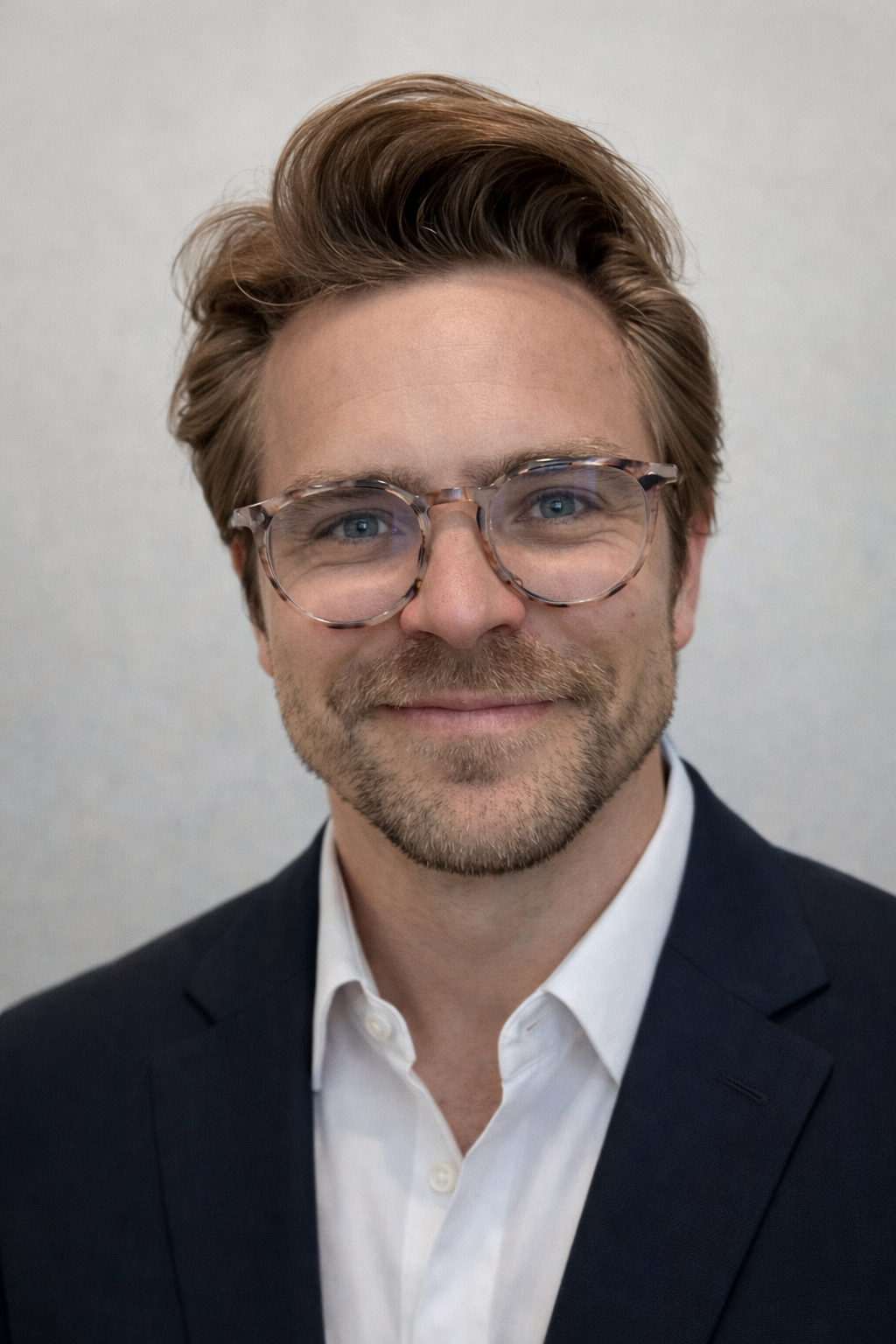
How I work.
Therapy should feel like a conversation—with a purpose.
I’m an active therapist. I’ll listen carefully, but I’ll also ask questions, notice patterns, offer perspectives, and challenge you when it may be useful. I don’t believe therapy has to mean sitting quietly while you do all the talking.
My job isn’t to tell you how to live your life. It’s to help us become curious about what is happening—what you’re feeling, what you’re doing, what keeps repeating, and what might become possible if you responded differently.
Sometimes the work is practical and focused on what is happening right now. Sometimes we slow down and explore where a pattern came from. And sometimes we find ourselves talking about identity, relationships, meaning, grief, recovery, or the larger question of what you want your life to be about.
Sometimes therapy is serious. Sometimes it’s uncomfortable. Sometimes it’s funny. Usually, it’s a little of all three.
I didn’t arrive at this work through one path.
My path to becoming a therapist has taken me through a lot of different worlds—mental health and addiction treatment, recovery, meditation and contemplative practice, psychology, philosophy, religion, literature, art, and years of trying to better understand why people do the things they do.
Along the way, I became less interested in finding the right theory of therapy and more interested in what different traditions could teach us about being human. Some taught me how people survive difficult experiences. Others taught me about relationships, unconscious patterns, conflicting parts of ourselves, meaning, responsibility, and the possibility of change.
That curiosity still shapes the way I work. I draw from evidence-based approaches as well as depth-oriented and experiential traditions, but I don’t believe people are problems to be fitted into theories. The approach should serve the person—not the other way around.
My work has included psychotherapy, addiction treatment, psychological assessment, group work, and work with people from different cultural and linguistic backgrounds. I also provide therapy in both English and Spanish.
Over time, all of this has led me toward an integrative way of practicing: one that takes symptoms seriously while also asking what may be happening beneath them.
I’m interested not only in what hurts, but in what your life may be asking of you.
Trent Uthe, LCSW, LAC, QMHP
Licensed Certified Social Worker · Licensed Addiction Counselor · Qualified Mental Health Professional